Get House Slab Stabilization in Lancaster, PA
House slab stabilization services help Lancaster property owners address uneven, cracked, or sinking floors caused by soil shifting or foundation settling, typically involving expert repair projects.
House slab stabilization services are an important consideration for property owners in Lancaster, PA who are experiencing uneven floors, cracks, or shifting foundations. Properly addressing these issues can help maintain the structural integrity of a home and prevent further damage over time. Many local contractors offer solutions designed to reinforce and stabilize concrete slabs, providing peace of mind for those planning renovations, repairs, or simply seeking to preserve the value of their property.
Exploring options for house slab stabilization involves comparing the services available from various local providers to find the right approach for specific needs. Property owners are encouraged to review the experience and capabilities of nearby contractors to ensure they receive effective, reliable solutions. Continuing to read can help identify the practical benefits of stabilization work and how local experts can assist in safeguarding homes in the Lancaster area.
- House Slab Stabilization - needed when a home's foundation shows signs of uneven settling or cracking in Lancaster neighborhoods.
- House Slab Stabilization - recommended if floors are uneven or doors and windows stick due to shifting concrete slabs.
- House Slab Stabilization - essential when previous soil conditions or water issues cause the foundation to sink or settle unevenly.
- House Slab Stabilization - useful if structural movement has compromised the stability of a home's main level in nearby areas.
- House Slab Stabilization - necessary when homeowners notice visible cracks or gaps developing around the foundation perimeter.
The overview below groups typical House Slab Stabilization projects into broad ranges so you can see how smaller, mid-sized, and larger jobs often compare in Lancaster, PA.
In many markets, a large share of routine jobs stays in the lower and middle ranges, while only a smaller percentage of projects moves into the highest bands when the work is more complex or site conditions are harder than average.
Minor Repairs - Small-scale stabilizations typically cost between $250 and $600 for many routine jobs in Lancaster and nearby areas. These projects often involve localized fixes and tend to fall within the middle of the cost range. Fewer jobs reach the higher end of this spectrum.
Moderate Repairs - More involved stabilization work can range from $600 to $2,000, depending on the extent of the settlement and the size of the slab. Many projects in this category are common and stay within this mid-range, though larger repairs can push beyond.
Major Repairs - Extensive stabilization efforts, such as lifting or underpinning large slabs, often cost between $2,000 and $5,000. These larger projects are less frequent but are necessary for significant structural issues or long-term solutions.
Full Replacement - Complete replacement of a damaged or severely compromised slab can exceed $5,000, with costs varying based on size and complexity. Such projects are less common and typically involve significant structural considerations handled by local contractors.
Actual totals will depend on details like access to the work area, the scope of the project, and the materials selected, so use these as general starting points rather than exact figures.
Foundation Repair - foundation stabilization projects often require similar assessment and underpinning skills to ensure structural integrity of buildings.
Concrete Slab Replacement - replacing or repairing concrete slabs involves planning and tools comparable to those used in house slab stabilization.
Soil Stabilization - soil stabilization efforts focus on improving ground conditions, a key aspect in preventing or addressing slab settlement issues.
Basement Waterproofing - waterproofing projects often involve working with existing concrete and ground conditions, similar to slab stabilization techniques.
Retaining Wall Construction - building retaining walls requires understanding soil mechanics and load distribution, relevant to stabilizing house slabs.
Drainage System Installation - effective drainage solutions help prevent ground movement, supporting the stability of concrete slabs and foundations.
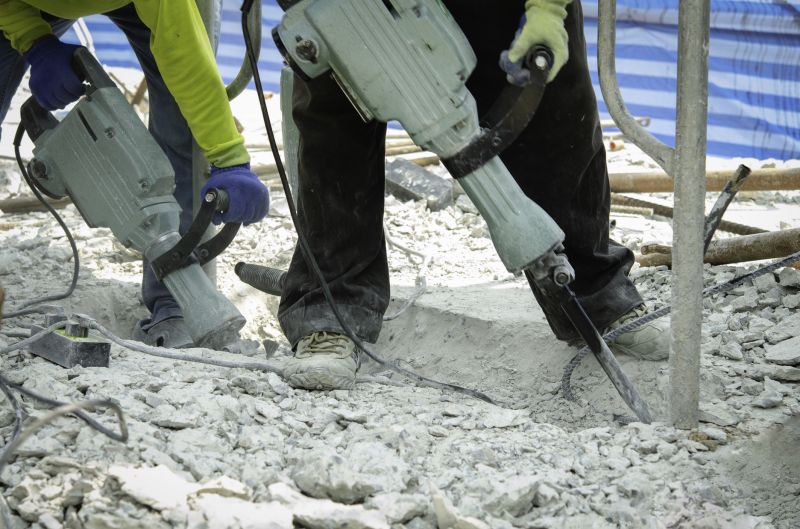
Property owners in Lancaster, PA use House Slab Stabilization services for practical projects around their homes and businesses. This guide focuses on everyday jobs and straightforward project options.
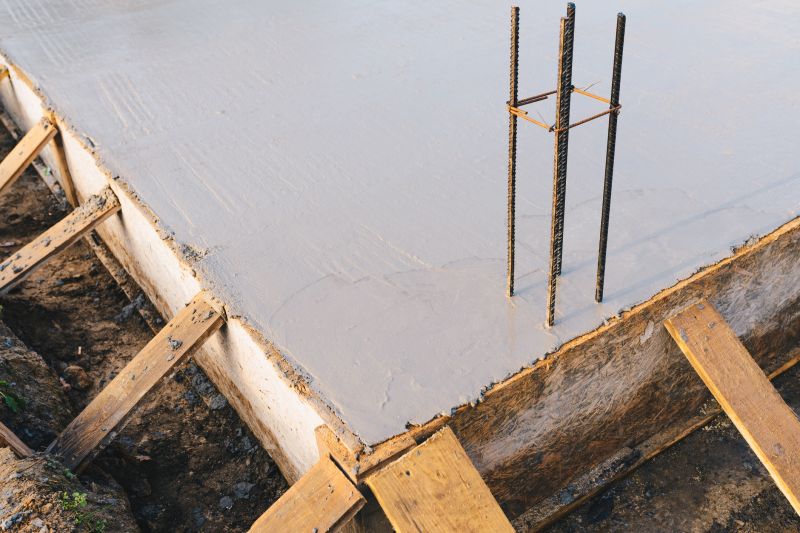
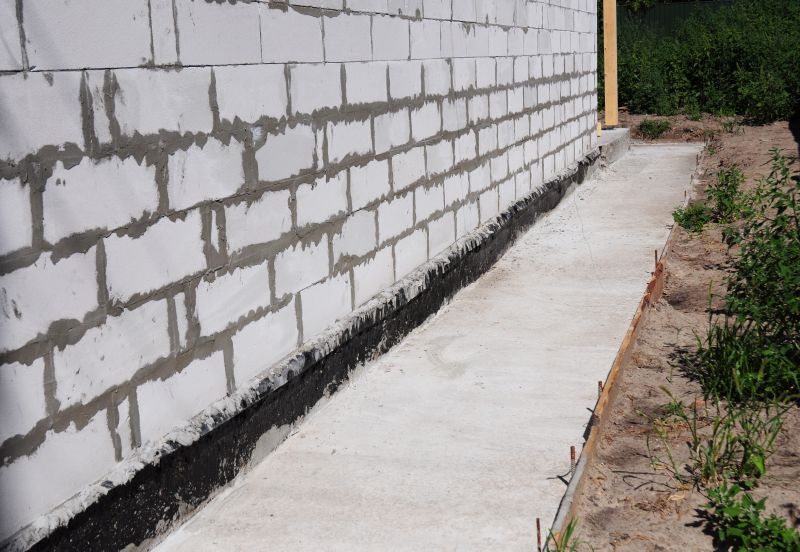
House slab stabilization services are often needed when property owners notice uneven floors, cracked walls, or doors and windows that no longer close properly. These issues can arise from soil shifting beneath a home's foundation, which is common in Lancaster’s area due to seasonal changes and clay-rich soils. Local contractors experienced in slab stabilization can assess the situation and provide solutions to help restore stability and prevent further damage, making sure the home remains safe and comfortable.
Homeowners dealing with signs of foundation settling or sinking may seek out slab stabilization to address the problem before it worsens. Whether a property has experienced minor shifts or more significant movement, local service providers can offer expertise in stabilizing concrete slabs and supporting the foundation. This work can be a practical step to maintain the property's value and structural integrity, especially in areas where soil conditions contribute to ongoing movement.
What causes a house slab to become unstable? House slabs can become unstable due to soil movement, moisture changes, or poor initial foundation installation, which can lead to uneven settling or cracking.
How can local contractors stabilize a house slab? They typically assess the site, then use techniques like underpinning, mudjacking, or piering to restore stability and level the foundation.
What signs indicate a house slab may need stabilization? Signs include visible cracks in walls or floors, uneven flooring, or doors and windows that no longer close properly.
Are house slab stabilization methods permanent? Many stabilization techniques are designed to provide long-term support, but the effectiveness depends on the underlying soil conditions and proper installation.
How do local service providers determine the best stabilization approach? They evaluate the foundation’s condition, soil type, and extent of settlement to recommend the most suitable stabilization method for the property.
Foundation Stability Assessment - Property owners can have local contractors evaluate uneven or cracked slabs to determine if stabilization is needed.
Preventing Structural Damage - Stabilization services can help maintain the integrity of a home’s foundation, especially after shifting or settling.
Preparing for Renovations - Stabilizing a house slab may be part of preparing a property for remodeling or additions, ensuring a solid base.
Addressing Soil Shifts - When soil conditions cause movement under a slab, local specialists can provide solutions to restore stability and safety.
If you are thinking about House Slab Stabilization for a property in Lancaster, PA, this guide is meant to help you understand the work, the typical project types, and how different options might fit your plans.
When you are ready, you can use the quote form on this page to share a few details about your project. From there, local pros can review the basics and respond with options that match what you have in mind.